
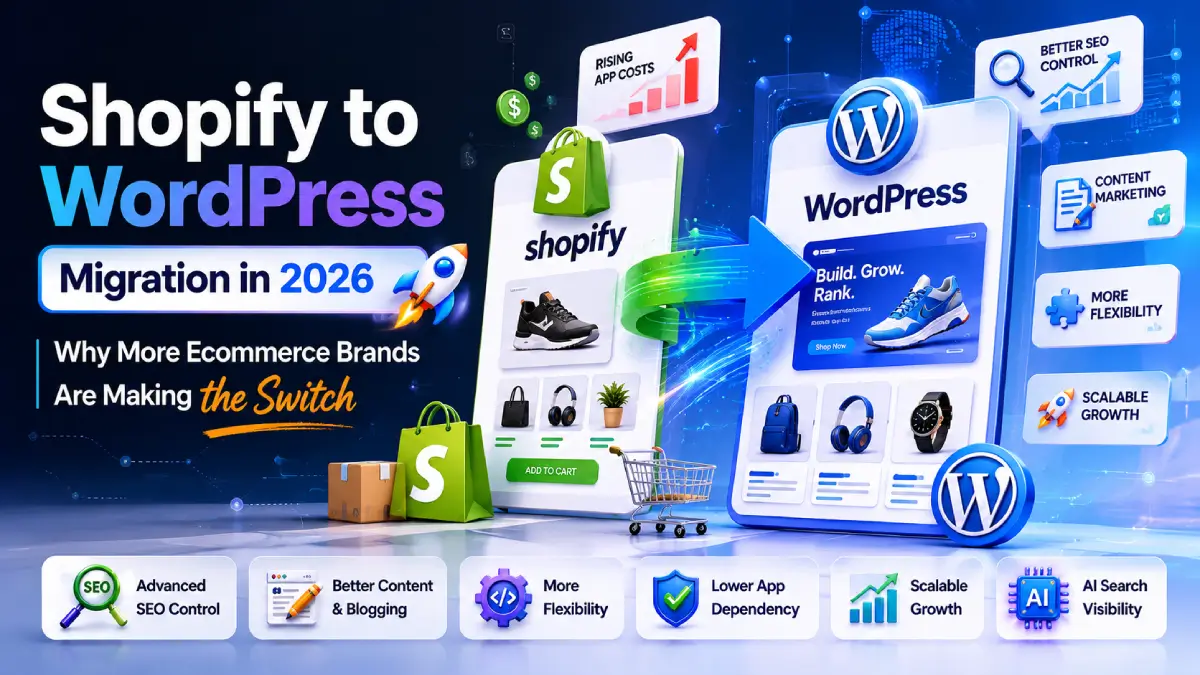
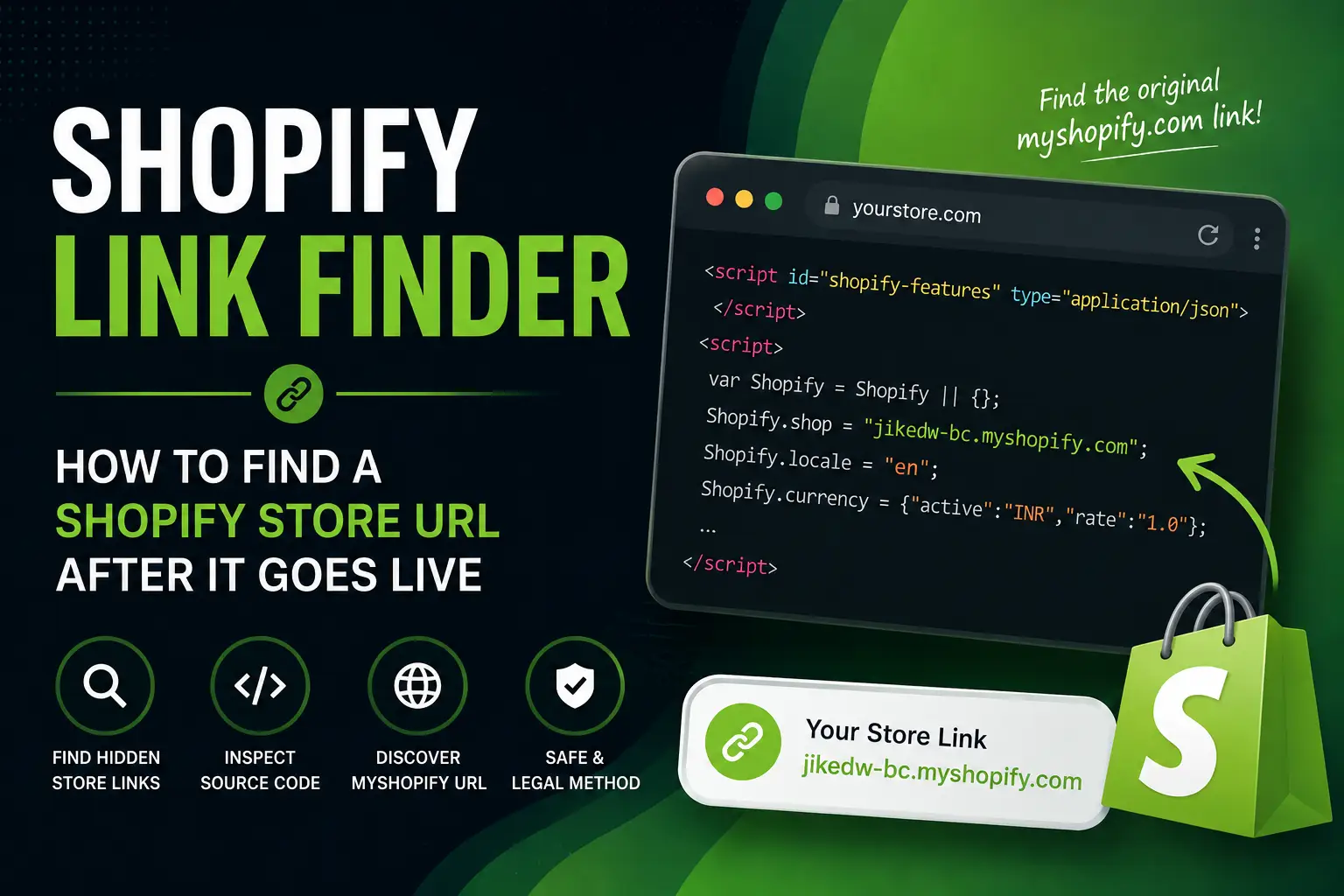

Shopify made ecommerce simple — and that’s exactly why so many businesses started there. You could launch a store quickly, add products, install apps, and start selling without dealing with technical setup.
But ecommerce in 2026 is different from what it was a few years ago. Growing brands are now asking a new question: Is Shopify still the right platform as we scale?
That’s why Shopify to WordPress migration has become a growing trend — not because Shopify is bad, but because growing ecommerce brands often need more control.
Why Businesses Start With Shopify
Why Growing Businesses Move to WordPress
As stores grow, priorities change. Most brands eventually want more than just product pages and paid ads. They start investing in SEO, content marketing, long-form blogs, and better branding — and this is where WordPress becomes attractive.
1. Better Content Flexibility
In 2026, ecommerce brands are acting more like publishers. Brands now create buying guides, tutorials, product comparisons, educational content, and SEO landing pages. WordPress handles content far better than Shopify, especially for growing content-heavy stores.
2. More SEO Control
3. Rising App Costs
Many Shopify stores slowly become dependent on paid apps — for SEO tools, product filters, upsells, reviews, email marketing, and advanced customization. Over time, these monthly costs add up significantly. Growing brands want more ownership and fewer recurring platform costs.
Thinking About Migrating from Shopify to WordPress?
If your ecommerce strategy is becoming more content-driven and SEO-focused, now is the time to explore your options.
Shopify vs WordPress for SEO — A Quick Comparison
This isn’t about which platform is “better” — it’s about your business goals.
| Feature | Shopify | WordPress (WooCommerce) |
|---|---|---|
| Setup Speed | ✅ Very Fast | ⚙️ Requires Setup |
| SEO Control | ⚠️ Basic | ✅ Advanced |
| Content / Blogging | ⚠️ Limited | ✅ Excellent |
| Monthly App Costs | ⚠️ Can Get High | ✅ More Flexible |
| Customization | ⚠️ Moderate | ✅ Full Control |
| Long-Term Scalability | ⚠️ Platform Limits | ✅ Highly Scalable |
Can You Migrate Without Losing SEO Rankings?
Who Should Consider Shopify to WordPress Migration?
Not Sure If Migration Is Right for You?
We’ll audit your current Shopify store and give you an honest, data-backed recommendation — no pressure, no fluff.
Final Thoughts
— Shopify is still one of the best ecommerce platforms for getting started quickly — that hasn’t changed. But as businesses grow, many start needing more flexibility, better content systems, stronger SEO control, and more scalable infrastructure.
That’s why Shopify to WordPress migration has become a growing trend in 2026. Not because Shopify failed — but because growing brands often need a platform that gives them more control over how they scale, publish content, and build long-term organic visibility.
If your ecommerce strategy is becoming more content-driven and SEO-focused, WordPress is worth considering carefully.
Ready to Make the Switch?
Our team handles the full Shopify to WordPress migration — from data transfer and redirects to SEO preservation and launch. Zero rankings lost, zero headaches.